
Keynote Speakers
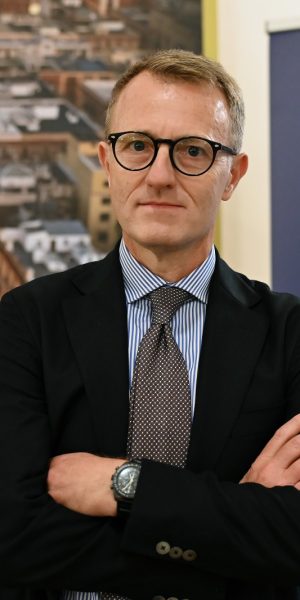
Prof. Mari Tervaniemi
Research Director, University of Helsinki
Research Director Mari Tervaniemi obtained her PhD in psychology in 1997 from the University of Helsinki, focusing on auditory neurocognition and musical expertise. Her research encompasses auditory learning, the brain basis of musical expertise, and music-related emotions. She has published over 200 articles in international peer-reviewed journals spanning music psychology, learning sciences, and cognitive neuroscience. She is particularly interested in applying knowledge gained through basic scientific research to education. Additionally, she is passionate about promoting inclusivity and the ecological validity of empirical research.
Keynote Lecture
MMN and prediction and beyond?
My keynote lecture is based on the theme of this 11 th MMN conference in Bari, 2026: The predictive brain in health and disease. I will introduce several perspectives from my research, which focuses on the healthy brain’s music perception, learning, and expertise and their interplay with language functions.
The talk will consist of three parts, which I have simplified as “MMN in the past,” “MMN in current studies,” and “MMN in the future.” Under these headings, I will begin by describing traditional stimulation paradigms used in MMN research, with an emphasis on multifeatured and musical paradigms. Next, I will introduce ongoing replication studies regarding so called abstract MMN first reported by Tervaniemi et al. (1994). The final, futureoriented part will ask whether we should retain predictive coding as our main theoretical framework or whether we are ready to explore other, potentially more exciting, avenues.

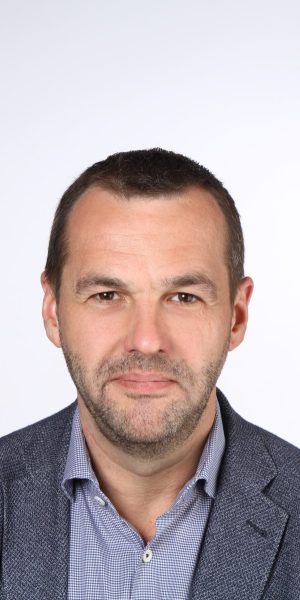
Prof. Peter Uhlhaas
Professor of Child and Adolescent Psychiatry, Charité-Universitätsmedizin Berlin
Peter Uhlhaas obtained a BSc and PhD in Psychology from the University of Stirling, Scotland. He was a visiting researcher at Weill Medical College, Cornell University, New York (2001-2002), before joining the Department of Neurophysiology (Head: Prof. Wolf Singer), Max-Planck Institute (MPI) for Brain Research in Frankfurt, Germany. At the MPI, he became a group leader in 2006, investigating the neurophysiology of cognitive dysfunctions in schizophrenia. Peter joined the Institute of Neuroscience and Psychology, University of Glasgow, in 2012 where he was a principal investigator at the Centre for Cognitive Neuroimaging. He has published over 160 articles in internationally high-ranking journals (Nature Rev Neuroscience, Neuron, PNAS, JAMA Psychiatry). In 2019, he became Professor for Early Detection and Diagnosis of Mental Disorders at the Department of Child and Adolescent Pschiatry, Charité-Universitätsmedizin Berlin. In addition to his scientific training, he is also a trained and board-certified psychotherapist and clinical psychologist. His research interests include cognitive and neurophysiological aspects of schizophrenia, multi-modal neuroimaging (EEG/MEG/MRI), brain development during adolescence, early intervention in psychosis as well as E-mental health. Current research projects are supported by the Medical Research Council, Einstein Foundation, German Research Foundation and Wellcome Trust.
Prof. Nicola Quaranta
Full Professor of Otolaryngology, University of Bari
Nicola Quaranta is Full Professor of Otolaryngology at the University of Bari and Head of the Otolaryngology Unit of the Bari University Hospital His clinical and research expertise spans audiology, otology, cochlear implants, otoneurology, skull base surgery, vestibular disorders, and hearing rehabilitation. He has served as President of the Italian Society of Audiology and Phoniatrics (SIAF) and has held leading roles in national scientific societies in otolaryngology, audiology, and otology. Nicola Quaranta has been principal local investigator in several multicentre European clinical studies and is the author of more than 220 peer-reviewed scientific publications. He has personally performed more than 4,000 surgical procedures across the field of otolaryngology.
Keynote Lecture
The Cognitive Ear in Aging
Age-related hearing loss is increasingly recognized as more than a peripheral sensory disorder, representing a complex condition involving auditory and cognitive processes. The concept of the “cognitive ear” highlights the close interaction between peripheral hearing, central auditory processing, and higher cognitive functions in older adults. Evidence from our studies indicates that both peripheral hearing impairment and age-related central auditory processing disorder are associated with poorer cognitive performance and may represent relevant markers of cognitive vulnerability. Difficulties in understanding speech, particularly in challenging listening environments, may reflect not only cochlear dysfunction but also impaired central auditory processing, attention, working memory, and executive resources. The relationship between hearing loss and cognitive decline is likely multifactorial, involving increased cognitive load, reduced sensory stimulation, social isolation, and potentially shared neurodegenerative or vascular mechanisms. Consequently, assessment of hearing in older adults should extend beyond pure-tone audiometry to include speech perception and central auditory processing. A multidimensional evaluation of the cognitive ear may contribute to the early identification of individuals at increased risk of cognitive decline and provide opportunities for timely audiological and rehabilitative interventions.